Car Key Replacement by Make and Model — Why Brand Matters More Than You Think
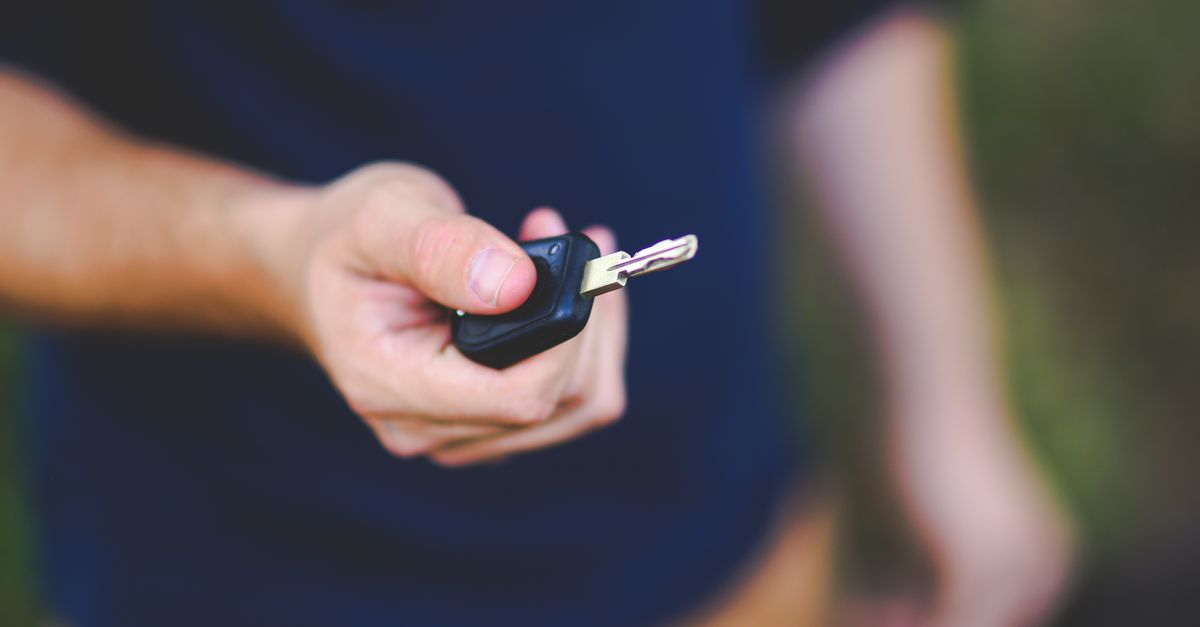
A key cut for a 1998 Ford F-150 and a smart key programmed for a 2022 Toyota RAV4 are almost entirely different jobs. Older domestic vehicles — think basic GM, Ford, and Chrysler models from the 1990s and early 2000s — often use mechanically cut keys with no transponder chip at all, meaning the cutting process alone is straightforward for an experienced technician. Move forward to the 2000s and nearly every manufacturer began embedding transponders that must be electronically matched to your vehicle's immobilizer system. Fail that pairing and the engine simply will not start, even with a perfectly cut blade.
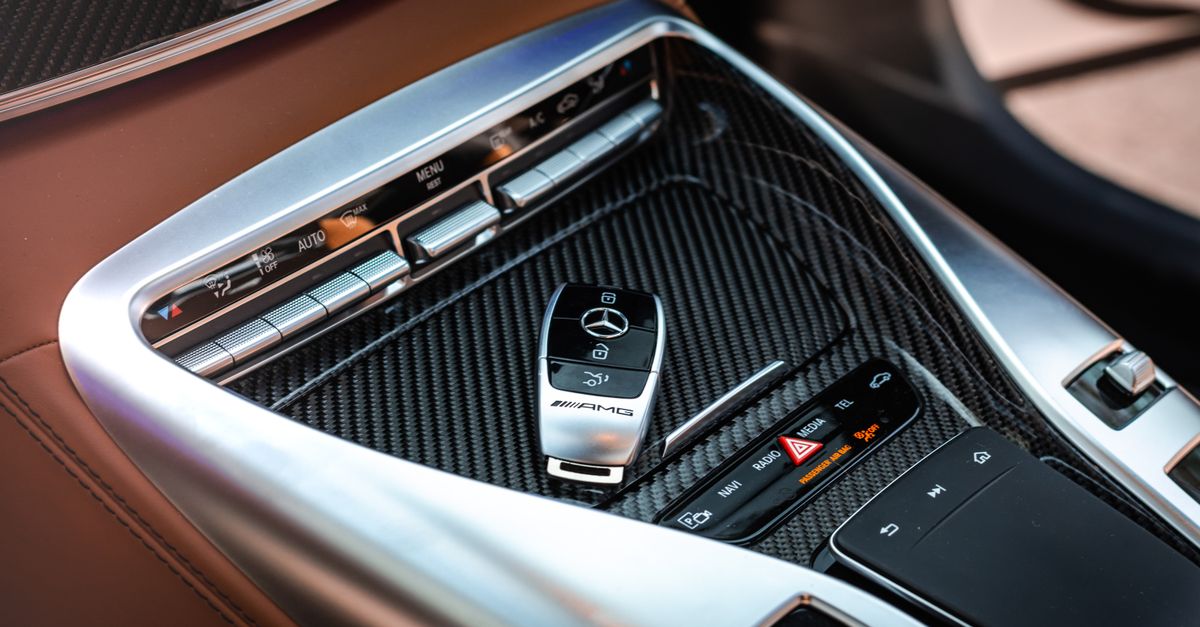
By the time you reach current models, the landscape splits further: Chevrolet and GMC trucks often use a proximity fob that requires VIN-level programming; Hyundai and Kia models released after 2015 use encrypted smart keys that demand specialized equipment; BMW and Mercedes-Benz rely on dealer-level diagnostic protocols that a trained independent technician can also access with the right tools. Honda and Acura vehicles have their own transponder families, while Subaru's flip-key remotes need both blade cutting and remote programming in a single visit. Our technicians arrive equipped to handle all of these scenarios, and we document your vehicle's year, make, model, and trim before quoting — because even two trim levels of the same car can require different key blanks.