Why Keys Snap Inside Locks — and What It Means for Your Lock
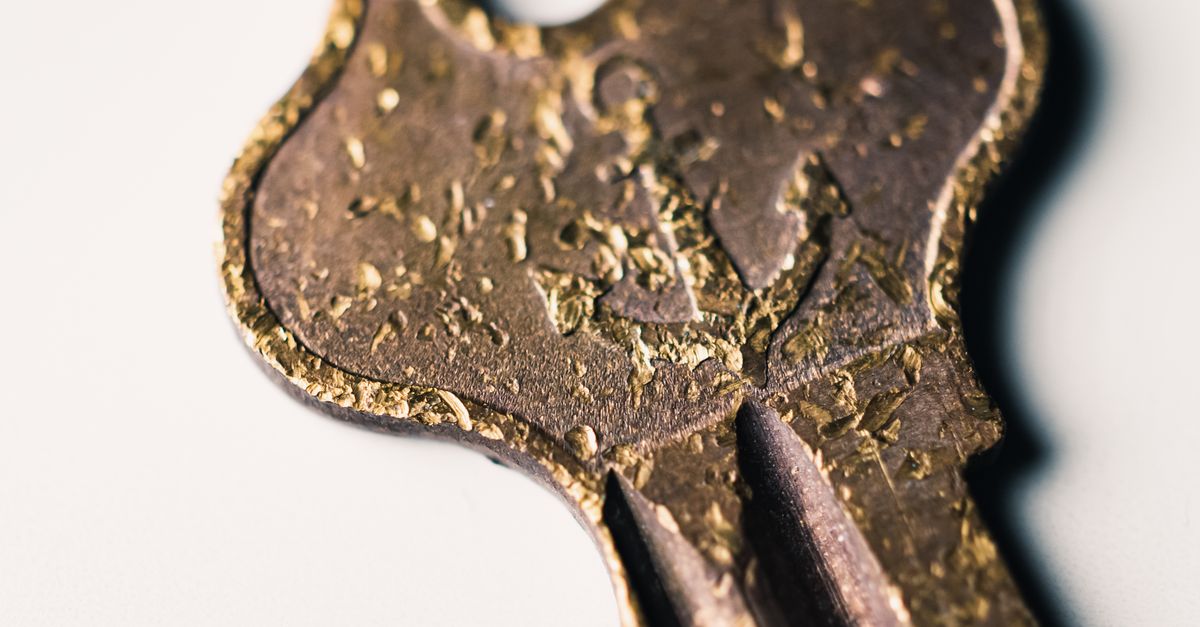
Keys do not snap randomly. The most common culprit in Blythewood homes is a key that has been bent slightly over time — often from being kept on an overloaded key ring or dropped repeatedly on hard floors like those in the brick ranch-style homes common off Blythewood Road. Metal fatigue builds invisibly until the moment you apply turning force and the blade simply gives way at its thinnest point, usually right at the shoulder where it enters the keyway. Cold snaps in January, when temperatures around Lake Monticello can drop into the low twenties overnight, make metal more brittle and increase the risk noticeably.
What matters immediately after a break is what you do next. Attempting to fish the fragment out with a bobby pin, a knife blade, or household tweezers almost always makes the situation worse — you can push the piece deeper into the cylinder, scratch the keyway walls, or accidentally rotate the plug, engaging the deadbolt bolt in a half-thrown position that complicates the job further. The safest move is to stop, leave the fragment undisturbed, and call a professional. Our technicians carry spiral extractors, hook extractors, and broken-key extractor sets calibrated to common residential and commercial keyways, giving them multiple approaches for any situation they encounter on arrival.